

Das Unomed PACS ist ein sicheres, vollständig integriertes Bildarchiv- und Kommunikationssystem für medizinische Einrichtungen.
Web · iOS · Android

PACS and viewer comparison
Find out why choosing the right PACS and the right DICOM viewer matters — and what counts when you choose. Start straight into our comparison and discover the solutions available in Switzerland, Austria and Germany in 2026.
Submit your own rating Do you work with one of these systems? Your rating helps others choose.

Digital imaging is a fixed part of clinical work. X-ray, CT, MRI or ultrasound — every image is produced, stored, managed and analysed digitally today. It has to be findable, shareable and efficiently viewable at any time. Artificial intelligence and automatic analysis tools are increasingly in use as well.
Entries and ratings as of 14 October 2026.
Do you work with one of these systems? Your rating helps others choose.
Submit your own rating37 systems match
Das Unomed PACS ist ein sicheres, vollständig integriertes Bildarchiv- und Kommunikationssystem für medizinische Einrichtungen.
Web · iOS · Android
IQ-View ist eine leistungsfähige medizinischer Dicom-Viewer, der speziell für den Einsatz in Radiologieabteilungen, Kliniken und Praxen entwickelt …
Web · Windows
MediCAD ist eine spezialisierte Software für die digitale Planung und Analyse in der Orthopädie und Unfallchirurgie.
Web · Windows
PostDICOM ist ein cloudbasiertes PACS mit integriertem Dicom-Viewer für die Verwaltung und Betrachtung medizinischer Bilddaten.
SonicPACS ist eine ein moderner Dicom-Viewer mit PACS. Dicom-Studien können gespeichert, abgerufen, geteilt und im integrierten Dicom-Viewer …
Das Sectra 2D Planning System ist eine hochspezialisierte Software, die in der präoperativen Planung von orthopädischen Eingriffen eingesetzt wird.

Aidoc Medical Ltd.
Aidoc ist ein israelisches Unternehmen, das KI-basierte Software für die radiologische Diagnostik entwickelt.

Response Ortho Teknolojik Üretim A.Ş
Click2Correct™ ist eine webbasierte Software, die entwickelt wurde, um die Ergebnisse der Operation durch präoperative Planung zu verbessern.

Collective Minds Radiology
Der Collective Minds DICOM Viewer ist eine benutzerfreundliche Software zur Anzeige und Analyse von medizinischen Bilddaten im DICOM-Format.
Web · iOS · Android

CranioCatch Medical and Dental Information Technologies Inc.
With the 2D and 3D radiography analysis system of CranioCatch, you can quickly analyze panoramic, periapical, bitewing, and CBCT radiographs, enabling …

Radical Imaging LLC
FlexView ist ein cloudbasierter DICOM-Viewer, der von Radical Imaging entwickelt wurde.

Gleamer
Gleamer ist ein französisches Unternehmen, das KI-gestützte Lösungen für die radiologische Bildanalyse entwickelt.

IMAIOS SAS
Der IMAIOS DICOM Viewer ist eine browserbasierte Anwendung zur Anzeige und Bearbeitung von medizinischen Bilddaten im DICOM-Format.
Web · iOS · Android

Agfa Healthcare
Agfa HealthCare bietet mit IMPAX ein umfassendes Picture Archiving and Communication System (PACS) an, das die digitale Speicherung, Verwaltung und …
Windows

medavis GmbH
medavis RIS ist das Radiologie-Informationssystem der medavis GmbH aus Karlsruhe, das den gesamten radiologischen Workflow von Terminbuchung und …

Softneta
medDream ist eine webbasierte medizinische Bildbetrachtungssoftware, die für die Visualisierung und Analyse von medizinischen Bilddaten entwickelt …

Medicai USA, Inc
Medicai ist eine cloudbasierte Plattform, die speziell für die Verwaltung und den Austausch von medizinischen Bilddaten entwickelt wurde.

Merative L.P.
Merative (früher Merge Healthcare), ist ein führender Anbieter von Lösungen für die medizinische Bildgebung und Gesundheits-IT. Das Unternehmen bietet …
Web · Windows · iOS · Android

MiraNext GmbH
MiraNext aus Österreich bietet eine modulare Plattform für die Radiologie mit RIS, Cloud-PACS, KI-Diktat, Phone Bot und Patientenportal aus einer …

Open Health Imaging Foundation
OHIF (Open Health Imaging Foundation) Viewer ist eine Open-Source-Software, die speziell für die Anzeige und Analyse medizinischer Bilddaten …

OmniPACS Health Technologies LLC
OmniPACS ist eine webbasierte Softwarelösung für die medizinische Bildgebung, die den Austausch, die Verwaltung und die Speicherung von DICOM-Bildern …

Cybermed
ONDEMAND3D von Cybermed ist eine modulare 3D-Bildgebungssoftware zur Analyse und Visualisierung von medizinischen DICOM-Daten, insbesondere im …

Zimmer Bionet
One Planner von Zimmer Biomet ist eine innovative Softwarelösung für die präoperative Planung und Simulation orthopädischer Eingriffe, insbesondere im …

Dedalus Healthcare
ORBIS RIS ist das Radiologie-Informationssystem von Dedalus HealthCare und tief in das Klinikinformationssystem ORBIS integriert.

Radlink, Inc.
Orthoplan von Radlink ist eine spezialisierte Softwarelösung zur Planung und Simulation von orthopädischen Eingriffen, insbesondere in der …
Windows

Materialise
OrthoView ist eine spezialisierte Software zur präoperativen Planung in der Orthopädie.

Pixmeo SARL
OsiriX ist eine fortschrittliche Bildgebungssoftware, die speziell für die Darstellung und Analyse von medizinischen Bilddaten entwickelt wurde.

Dedalus HealthCare GmbH
PACSonWEB ist eine webbasierte Softwarelösung für den Zugriff auf medizinische Bilddaten wie Röntgenbilder, CT-Scans und MRT-Aufnahmen.

PEEK HEALTH SA
Peekmed ist eine innovative Software, die für die präoperative Planung in der Orthopädie und Unfallchirurgie entwickelt wurde.
Windows

Phönix-PACS GmbH
PHOENIX-PACS ist ein modulares PACS-System für die Speicherung, Verwaltung und Befundung medizinischer Bilddaten nach DICOM-Standard.

Sectra AB
Sectra RIS ist das Radiologie-Informationssystem des schwedischen Anbieters Sectra und Teil der Sectra-Plattform für Enterprise Imaging mit PACS und …

University Hospital of Liège
Der Stone Web Viewer ist ein webbasierter Dicom-Viewer zur Anzeige und Verwaltung medizinischer Bilddaten (DICOM). Er ist in Orthanc integriert, einem …

synedra information technologies GmbH
Synedra ist eine vielseitige Softwarelösung für das Dokumenten- und Bildmanagement im medizinischen Sektor.
Web · Windows

Telepaxx Medical Data GmbH
Telepaxx ist eine deutsche Softwarelösung im Bereich medizinischer Bildgebung und Datenmanagement.

Brainlab AG
TraumaCad ist eine medizinische Planungssoftware, die speziell für Orthopäden entwickelt wurde.
Web · Windows

University Hospital of Geneva (HUG)
Weasis ist ein Open-Source-DICOM-Viewer, der für die Anzeige und Analyse medizinischer Bilddaten entwickelt wurde.

ZIBImed GmbH
ZIBImed aus Kenzingen bietet mit dem SIRA PACS- und RIS-Server eine kompakte Lösung für Praxen und kleinere Einrichtungen: DICOM-Archiv, Modality …
Do you work with one of these systems? Your rating helps others choose.
Submit your own ratingBuying software is an important decision that calls for organisational, technical and financial consideration.
Here are the 12 most important points to bear in mind for a sound choice:

Examine the total cost of the software, including licence fees, implementation costs, training costs and any recurring charges.
Establish whether it is a one-off payment or a subscription fee, and how that affects your budget in the long run.
Make sure the software offers every function your practice, your healthcare organisation or your hospital needs. That includes comprehensive DICOM compatibility, an intuitive interface, powerful image processing and measurement tools, 3D visualisation, seamless integration with other medical systems, efficient image archiving, fast image search and retrieval, along with high data security and mobility options for access from anywhere.
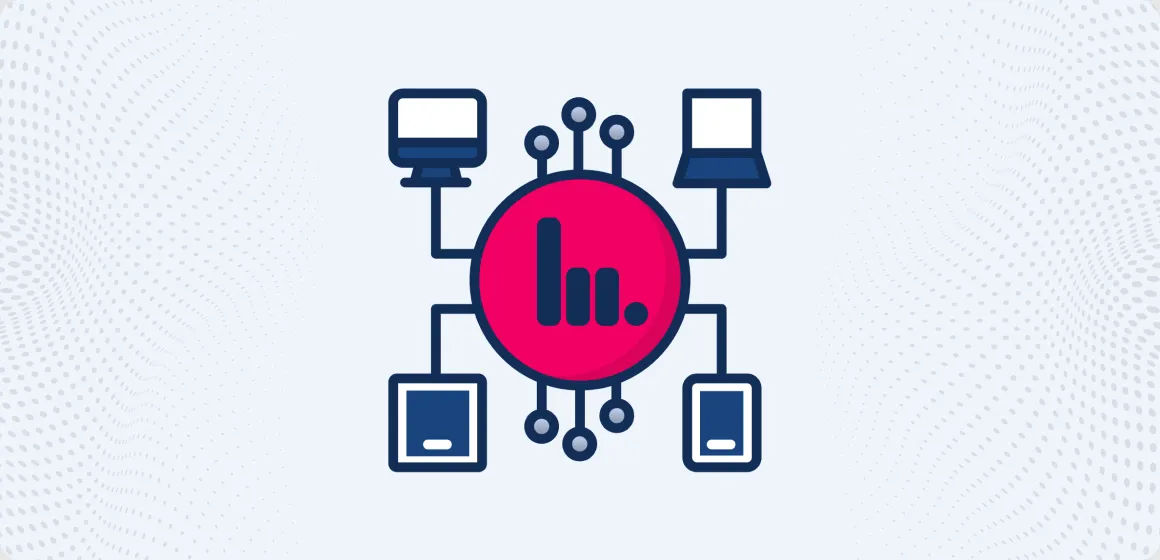
Establish which infrastructure the PACS and the DICOM viewer run on. Is it a solution that can be opened in the browser? Is a local installation on the PC necessary, or does it need a server installation and integration into a local network? Does access work on mobile devices too, on a smartphone for instance?
Depending on the solution, further consideration of security (firewall), backups, resilience and internet speed is of major importance.
Check whether the software is scalable as your organisation grows. You should make sure your requirements will still be met in future.
Do you intend to increase the number of staff and/or the number of sites in future? Will you have more far-reaching requirements later on?
Integrating your PACS solution with your primary system (practice, hospital or radiology information system) is very important. Are the necessary interfaces in place, or can they be integrated? Without a suitable integration, efficiency suffers.

Interoperability means that different systems can communicate with one another. It lets users exchange and call up data across different platforms. Because the DICOM standard is an international one, interoperability is usually a given. Watch out for vendor-specific deviations, which can cause problems or in the worst case lead to “ customer lock-in ”.
How does onboarding onto the chosen PACS and DICOM viewer work? Is there training on site, or is the software self-explanatory? Is it necessary to carry out local installations? Who performs those installations and configurations? What does that cost?
Examine the software's support options, in terms of response time, hours of availability and cost.
Find out about the cost and the schedule of software updates and maintenance services. Are software updates included in the price or do they have to be paid for separately? Are interruptions to operation to be expected during updates?
Ask about outages and how resilient the solution you choose actually is. System outages can restrict your operation considerably and in the worst case can put patients at risk.
Make sure the software meets the data protection rules and security standards required for health data. Check in particular whether the data is encrypted in transit and at rest, whether it is transmitted securely and where it is stored. Is access protected by two-factor authentication? Establish as well which data is left behind on the end device and whether a “ zero footprint solution ” is part of the product. Is access logged?
Read ratings from users of the software. Ask for references and speak directly with other users about their experience. Sometimes personal advice is the right route as well.
Consider local software. That way you make sure the statutory requirements and standards applicable in your country are met. In particular, data protection laws are not uniform internationally. The new Swiss Data Protection Act has fortunately been aligned with the European GDPR. Outside the EU, however, the legal position can differ considerably, which makes the corresponding solutions carry significant risk.
Carry out a cost-benefit analysis to make sure the software supports the profitability of your practice.
If your software supports the efficiency of your practice better than the alternative, then in most cases the additional cost will pay for itself quickly.
Allow statistics?
With your consent we use Google Analytics and remember how you found us. Privacy policy
Statistics are on
We use Google Analytics and remember how you found us. You can switch this off here. Privacy policy


